
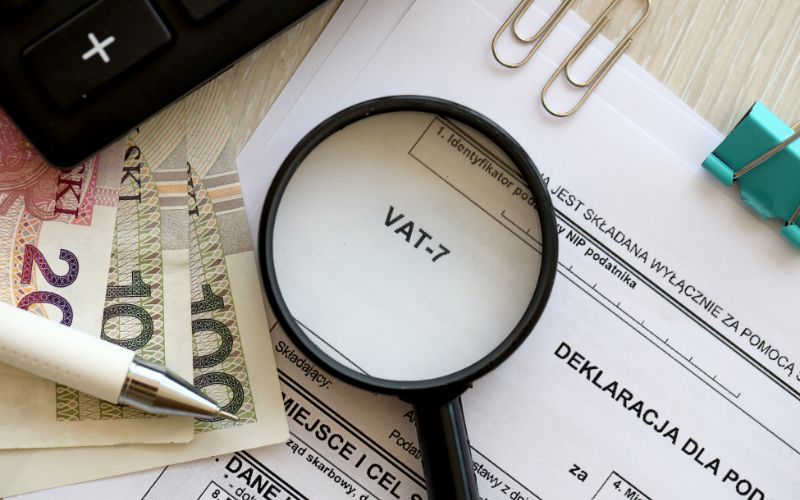
One of the most important taxes that impact businesses in the UK is Value Added Tax or VAT. However, for many business owners VAT returns remain a confusing, tedious and stressful experience. From a small start-up to a successful growing limited company to a well-established organisation, it is crucial to know what your VAT needs are to avoid expensive mistakes and ensure complete compliance with HMRC.
Gates Accountants’ City VAT Guide outlines what a VAT return is, the importance of it and how businesses can deal with VAT in an efficient manner. We also provide you with some tips to make sure you stay compliant and your financial records are accurate and organised.
What is a VAT Return?
A VAT return is a report to HMRC, which details the amount of VAT your business has collected from your customers and the amount of VAT you have paid on your purchases and expenses for an agreed accounting period.
The return returns true if:
- You owe VAT to HMRC
- You are owed a VAT refund by HMRC
- Your VAT position is levelled off.
Most VAT registered businesses file VAT returns once every three months, but some may be able to opt for filing returns once a month or once a year according to their situation.
- The details sent in the VAT return generally include:
- Sales and purchases, total.
- VAT charged on sales (output tax)
- VAT charged as an expense of the business (input tax)
The difference between the two amounts is 450.The difference between the two amounts is 450. It is vital they report it correctly – otherwise HMRC will use this to calculate your tax liability.
So why is VAT so important to UK businesses?
VAT has an impact on cash flow, financial planning, record keeping and overall business compliance. Even if the mistake is minor, it could lead to penalties, interest payments, and/or investigations by HMRC.
Companies who are aware of their VAT obligations may gain from:
- Better financial control
- Improved compliance
- Lower chances of fines.Lower likelihood of penalties.
- More accurate budgeting
- Stronger business decision-making
Many organisations choose to utilise professional chartered accountants to handle VAT registration, VAT returns and continuous compliance needs, this is one reason.
Who Needs to Submit VAT Returns?
If you make taxable sales of more than the current HMRC registration limit, then you must register for VAT.For some, however, the decision to register for VAT can be a voluntary one, even if their turnover is below the threshold. This can offer some benefits such as being able to recover VAT from eligible business expenses.
VAT returns are filed for most of the following types of businesses:
- Limited companies
- Sole traders
- Partnerships
- Contractors
- Construction businesses
- Professional service providers
- Retail businesses
- Online sellers
Each business will have its own needs, so professional advice might prove useful.
What information does a VAT Return contain?
There are nine boxes in a typical UK VAT Return that show a summary of the VAT activity in the period.
Sales VAT
This is the record of the VAT for supplies made to customers.
Purchase VAT
This is for VAT on business transactions and running costs.
Net VAT Position
The difference between the output tax and the input tax will be the amount that you either have to pay or receive.
The total value of all transactions.The total dollar value of all transactions
The total value of sales and purchases (excluding VAT) are also included in the return.It’s important to have proper bookkeeping here. Bad bookkeeping can result in submitting the wrong records and cause unnecessary confusion.
The top common mistakes businesses make in VAT returns are outlined below:
A lot of the VAT issues occur due to the fact that business owners attempt to handle the entire thing on their own without the help of professionals.
The following are some of the most frequent errors:
Missing Deadlines
Late submission may result in penalties and interest.
Claiming Incorrect Expenses
VAT cannot be recovered on all costs. Misstatements may draw the attention of HMRC.
Poor Record Keeping
VAT reporting is complicated because of missing/partially missing invoices and records.
Incorrect VAT Rates
Suppose that the wrong VAT rate is applied, this could lead to under or over-payment.
The reasons why a child may not be registered on time include the following:
When a company reaches the registration threshold, it must register in good time.The risks that may arise can be reduced through proper book-keeping.How Making Tax Digital has transformed VAT reporting.The impact of Making Tax Digital on VAT reporting.
The Making Tax Digital (MTD) programme has revolutionised the way VAT returns are submitted by HMRC
Most VAT registered businesses will have to:
- Keep electronic accounting records.
- Follow compatible accounting software.
- Make VAT returns via the computer system.
The rationale behind this is to ensure accuracy and avoid mistakes. Compliance becomes much simpler with cloud-based accounting software such as Xero, QuickBooks, and Sage, which include accounting and VAT returns.City Gates Accountants frequently offers cloud accounting solutions for businesses, making financial management easier and ensuring complete compliance with HMRC.
The reasons why accurate bookkeeping is important for VAT returns
The foundation of each VAT return is bookkeeping.
It becomes difficult to:It is hard to:
- Track income correctly
- Record expenses accurately
- Reclaim eligible VAT
- Meet HMRC requirements
- Provide reliable financial statements/reports
Organized businesses typically have a smoother VAT reporting experience. Professional bookkeeping services can make sure that the transactions are kept properly for the entire year instead of having to fix things at the last minute, nearer the submission deadlines.
The financial implications of misplacing VAT
VAT errors can have serious financial consequences.
Potential issues include:
- Financial penalties
- Interest charges
- HMRC investigations
- Cash flow problems
- Increased administrative costs
- Reputational damage
These issues can be important factors in a growing business that can detract from your day-to-day activities. When seeking professional help, the risks are minimised and peace of mind is gained.
VAT is a complex tax to manage, and that is why Professional Accountants can assist you with VAT compliance
The VAT laws are complex and many business owners don’t value them enough.
Your chartered accountant can help with:
VAT Registration
Deciding on and registering properly.
VAT Return Preparation
Accurately filing and submitting returns in a timely fashion.
VAT Planning
Finding tax efficiency improvements without running afoul of the law.
HMRC Support
Answering questions, investigations and adherence checks.
Cloud Accounting Integration
Installing systems to keep records and calculate VAT automatically.
When business owners work with experienced accountants, they can concentrate on developing their business without worrying about the accuracy of their financial reporting.
Guide to City VAT from Gates Accountants: Tips for Businesses
Here are some tips on how to improve your VAT management.
Keep Your Accounts Up to Date
Don’t let your accounts catch up at the end of the quarter.
Digital Accountancy Programs
Cloud accounting software increases precision and decreases manual labour.
Check VAT Often
Do it on a consistent basis throughout the year, not only before VAT filing dates.
Keep Documentation
Make sure your invoices, receipts, and financial documents are well organized.
Get Professional Assistance
It’s important to keep abreast of VAT law amendments. This will help you save time, effort, and avoid mistakes.
Why VAT Reporting Facilitates Better Business Decision Making
While many business owners see VAT return filing as a necessity, the underlying financial data is useful for making better business decisions.
VAT reporting helps businesses:
- Evaluate sales performance
- Analyze spending patterns
- Detect cash flow patterns
- Forecast financial results
- Plan strategically
Together with management accounting and financial reports, VAT data become a helpful tool for decision-making.
Reasons Why Companies In The UK Should Work With Professional Chartered Accountants
Compliance with VAT is only a component of good financial management practices.
Other services that companies can derive include:
- Book keeping services
- Tax planning & compliance
- Corporation Tax Services
- Payroll management
- Compilation of annual accounts
- Preparation of management accounts
- Advisory services
- Cash flow management
- Financial forecasting
Professional accountants are much more than form fillers.
Conclusion
It is critical for all VAT-registered businesses operating in the UK to have an understanding of VAT returns. Accuracy in VAT returns is not only important for compliance but also in ensuring that no cash flow issues arise or that any penalties are incurred unnecessarily. VAT returns may appear difficult but with the right process and guidance, they become less daunting.This guide on VAT from Gates Accountants explains the importance of VAT returns and how businesses should go about handling them. When it comes to VAT services such as VAT registration, tax planning, bookkeeping or compliance services, engaging experienced chartered accountants is vital to ensure compliance.
FAQs
What consequences will I face for submitting a VAT return late?
VAT returns that have been submitted late could lead to penalty points, penalties, and interest charges. In case of repeated late submission, it would pose a threat of compliance risks, attracting more attention from HMRC. On-time submissions are crucial to avoid unwanted costs.
Can I amend my mistake in my VAT return?
Yes, I am allowed to correct certain VAT mistakes by HMRC. Depending upon the extent of the mistake, it could be amended by making an adjustment in your next VAT return, or you may inform HMRC directly about your mistake.
Is every business obliged to register for VAT?
No, VAT registration is compulsory when the amount of turnover surpasses HMRC threshold. Some businesses choose to register voluntarily for VAT to reclaim VAT on expenses and to boost their professional reputation.
How frequently should I file my VAT returns?
VAT-registered companies generally file their returns on a quarterly basis. However, there are certain systems in which you can file returns either annually or monthly.
What documents are required to keep in connection with VAT?
Companies need to keep invoices, receipts, banking details, sales records, purchases records, and all the documentation associated with the VAT process. Maintaining proper documentation is important to ensure that your filing is accurate.
Is it possible to use accounting software for VAT return?
Yes. There are various applications like Xero, QuickBooks, and Sage through which you can make your VAT calculations easier and maintain your digital documents.
Should I hire an accountant for my VAT returns?
There are many advantages in using an accountant for this purpose. He will help you make sure your submission is correct, find ways to cut down on your taxes, and offer relevant advice.